Sub-Total: £0.00
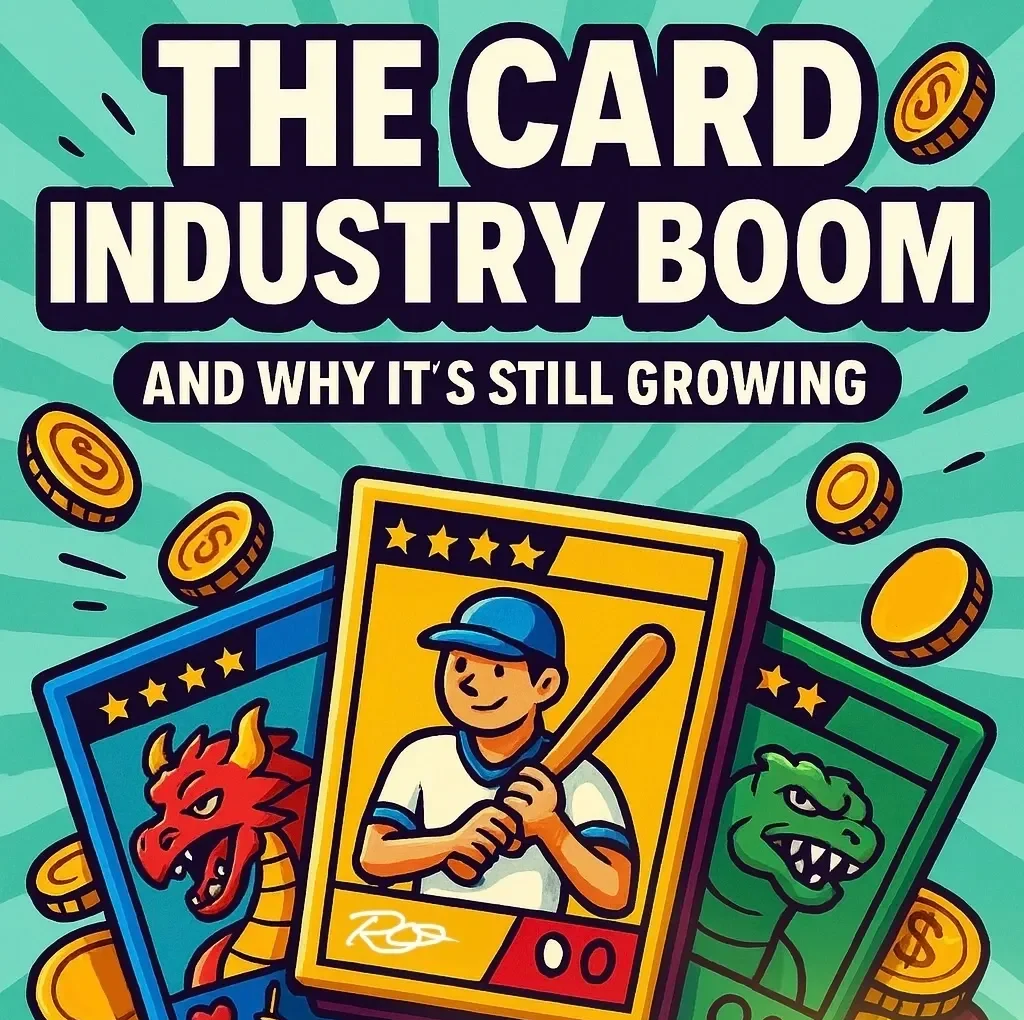
The Card Industry Boom — and Why It’s Still Growing
The realm of childhood nostalgia has recently experienced an unprecedented boom that has propelled it into a billion-dollar industry. From thrilling auction headlines to widespread hobby growth, the trading card industry is becoming a cornerstone of both investment and entertainment. But how did we get here, and what does this mean for businesses today? Buckle up as we dive into the fast-evolving landscape of trading cards and uncover the reasons behind its continued ascent.
A Brief History: Nostalgia Meets Opportunity
Trading cards have long been a cherished pastime, with roots tracing back to the late 19th century. Originally produced by tobacco companies, they quickly became collectors’ items, evolving into standalone products featuring sports stars, game characters, and pop culture icons. Yet, it wasn’t until recently that trading cards garnered mainstream attention as a serious investment opportunity.
The surge began in the late 2010s, fuelled by a combination of nostalgia-driven demand and a desire for tangible investments. High-profile sales, such as the record-breaking auction of a 1952 Mickey Mantle card for $5.2 million, thrust trading cards into the spotlight. Suddenly, they were not just collectibles—they were assets.
Industry Insights: The Driving Forces Behind the Boom
The real question, though, is why is the trading card industry still growing at such a furious pace? Here are some key insights into the forces driving this growth:
1. Digital Transformation and Accessibility:
The internet and social media platforms have revolutionised how collectors buy, sell, and trade cards. Online marketplaces and auction platforms offer unprecedented accessibility, allowing international engagement and niche markets to flourish. Meanwhile, platforms like Instagram and YouTube facilitate community building and brand storytelling, amplifying interest and visibility.
2. Grading and Authentication:
The introduction of professional grading services, like PSA and Beckett, has added a layer of trust and transparency to card transactions. Graded cards provide a verified condition, giving collectors confidence and helping to establish market value. As a result, the hobby is more appealing to investors who demand trust before shelling out substantial funds.
3. Diverse Market Segments:
Beyond sports cards, the industry has embraced a broader range of interests, including trading card games (TCGs) like Pokémon, Magic: The Gathering, and Yu-Gi-Oh. These games have cultivated passionate communities that consistently fuel demand through competitive play and social engagement. Additionally, entertainment-themed cards tied to franchises like Star Wars and Marvel attract a wide audience beyond traditional sports card collectors.
4. Celebrity Influence and Pop Culture:
publicisedCelebrities and influencers have jumped on the trading card bandwagon, further legitimising the hobby in the public eye. High-profile endorsements and publicised collections help bridge the gap between niche markets and mainstream appeal, driving new audiences to explore trading cards.
5. Economic Factors and Alternative Investments:
Amid economic uncertainties, trading cards present an enticing alternative investment, diversifying portfolios beyond traditional stock and real estate options. Collectibles, especially those with historical or cultural significance, can offer a stable and sometimes lucrative investment, especially when conventional markets fluctuate.
What It Means for Your Business
If you’re in the business realm, whether as a retailer, investor, or marketer, here’s why this booming industry matters:
- Investment Potential: Trading cards offer unique investment opportunities with potential exponential growth. Whether as a direct investor or through collaborations with brands in the space, there are lucrative paths to explore.
- Retail Opportunities: If you’re in retail, consider carrying trading cards or partnering with brands to appeal to new demographics. The variety and accessibility of cards make them perfect for both physical stores and online platforms.
- Brand Collaboration: Brands can harness the cultural moment by collaborating with trading card companies for limited edition releases or themed sets. These dynamic, nostalgic collaborations appeal to collectors and pop culture enthusiasts alike.
- Community Engagement: Leverage the thriving communities of collectors and enthusiasts to foster engagement. Host events, sponsor tournaments, or partner with influencers in the card space to enhance brand presence.
Riding the Wave of Growth
As the trading card industry continues to boom, its growth trajectory shows no signs of plateaus. The combination of digital transformation, diversified markets, and cultural zeitgeist ensures that this pastime thrives. Whether you’re a seasoned collector or a curious newcomer, there’s never been a more thrilling time to dive into the vibrant world of trading cards. So, grab your deck, join the discord & strike up a conversation. It’s never been more exciting for anime fans, hobbyist & pop culture!